Book A Call With ADHD Coach Kat Today
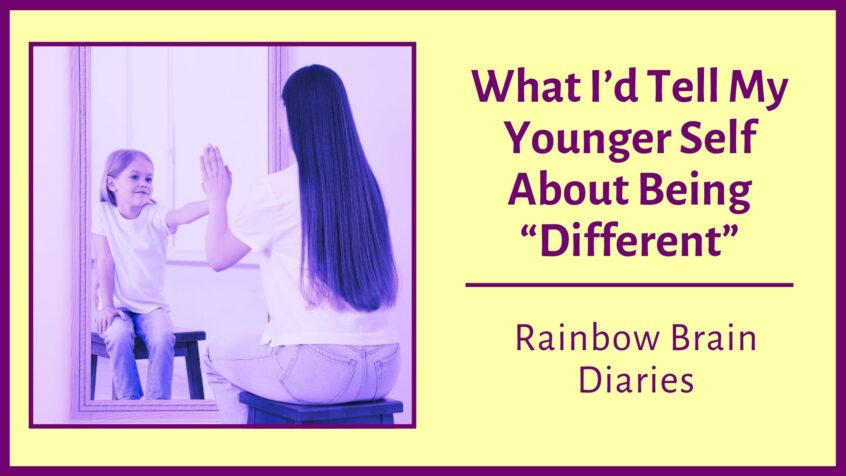
What I’d Tell My Younger Self About Being “Different”
Rainbow Brain Diaries
If I could sit and talk to my younger self – the one who felt out of place, too loud in some rooms and completely invisible in others – what would I want to say to her?
It’s not advice. It’s not tricks and hacks.
It’s this.
Nothing is wrong with you, dear child.
You did not imagine the way you felt different from others, you weren’t being dramatic, you weren’t failing at life.
You were noticing – long before you had language – that the world around you wasn’t built with your brain, your body, or your identity in mind.
That’s a heavy thing for a child to carry.
You Were Not Broken – You Were Responding
There was so much of what you thought was “wrong” with you that was actually your nervous system doing it’s very best to keep you safe.
You learned quickly what things got corrected, what thing got labeled “too much” or “too sensitive.” You learned how to be more agreeable, to be smaller, to be quieter, to sit still. You learned how to read a room before you had any idea why you were doing it.
That’s not failing and it’s not a character flaw – it was your nervous system adapting.
ADHD may not have shown up as a diagnosis back then – instead it may have looked like overwhelm, distraction, big feelings, unorganization, etc.
And queerness didn’t arrive as a certainty. Instead it arrived as a feeling, a sense of being slightly off beat or out of place, something you may not have been able to explain quite yet.
You were not failing.
You were responding to situations and places that wanted you to change instead of trying to understand you and how your brain works.
It Was Not Your Job To Be Easier
It was never your job to be easier.
I wish someone had told you that it was never your responsibility to make yourself easier to digest for the comfort of others. You were taught – directly or indirectly – that your needs weren’t convenient.
That your emotions were a lot. Your questions were disruptive. Your movement was too much. And that your joy, your curiosity and your sensitivity need to be toned down just a bit. Or a lot.
So you learned to pre-edit yourself. You learned to apologize before asking, minimize before sharing. You learned to abandon yourself in small ways that added up over time.
The truth I wish you had heard earlier is this:
- Needing help or support doesn’t make you weak.
- Taking up space doesn’t make you selfish.
- Being complicated doesn’t equate to difficult.
You are allowed to exist without earning it.
One Day, Your Difference Becomes Your Compass
This part won’t erase the hurt – and I won’t pretend otherwise.
But one day, you will start to realize that the very things you tried to hide are also the things that help you navigate the world more authentically. More honestly. More you.
- Your sensitivity becomes alignment.
- Your intensity becomes passion.
- Your nonlinear thinking become curiousity, insight, and wisdom.
You find your language, your community, and the people who don’t ask you to explain yourself just to be tolerated.
You begin listening to your body instead of fighting it. You begin to trust your inner signals instead of overriding them. You stop asking, “What’s wrong with me?” and start asking, “What do I really need?”
That shift changes everything. Not all at once, but quietly over time.
A Note For You (Yes, You!)
If you’re reading this and feeling that familiar ache – the one that says, “This is me” – I want you to know something:
You don’t need to become someone else to be worthy of care, rest, or belonging.
Your difference isn’t a flaw to fix.
It’s information. It’s history. It’s wisdom earned the hard way.
And you are allowed to meet yourself now with the compassion that you should have back then.
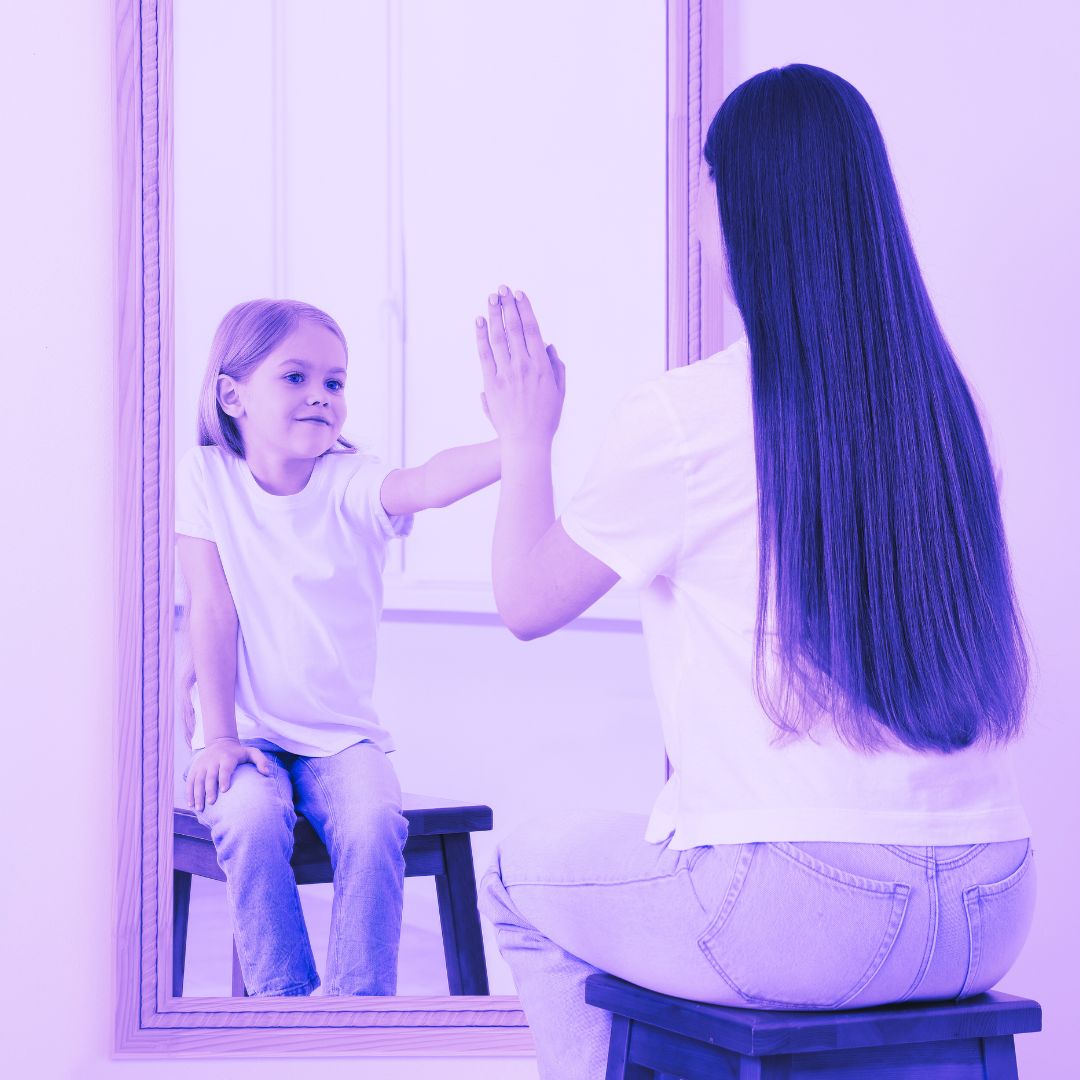
Reflection (only if it feels supportive:) If you could sit beside your younger self for a moment – not to correct them, but to comfort them – what would you want them to hear?
I actually DID write a letter to myself a couple years ago – feel free to give it a listen.
 Don’t Delay Joy
Kat Sweeney, MCLC, ACC