When Everyone’s Overwhelmed: A Real-Life Guide to Co-Regulation for ADHD Families
The Three C’s Unlocked
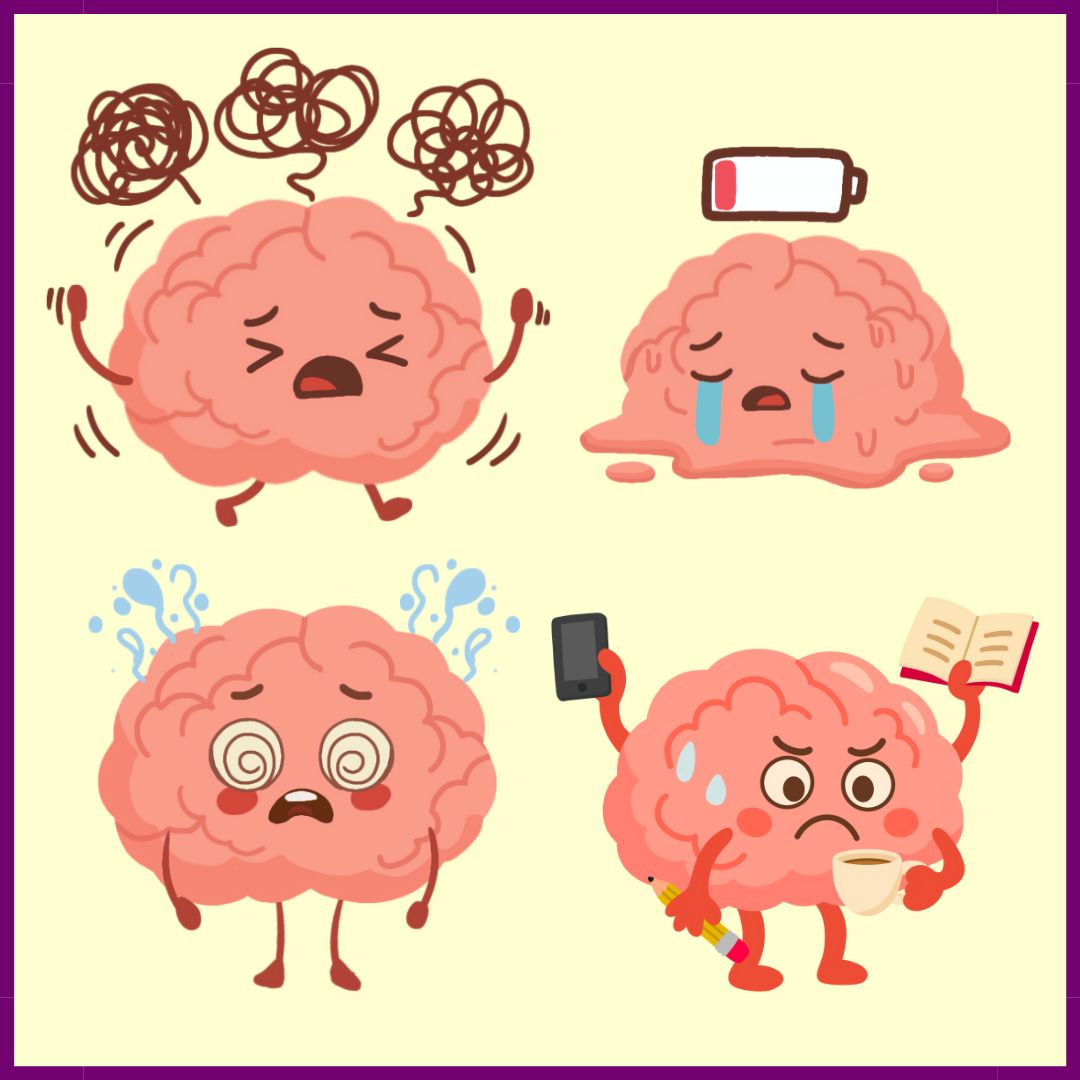
ADHD families can go from calm to overwhelm in the blink of an eye. Not because anyone is doing anything wrong, but because our brains are more sensitive to all the day-to-day noise and chaos of daily life. Add in things like family pets, siblings, blended families, back packs, schedules, and the whole house hits their proverbial limit.
Guess what? You don’t need to be a perfectly calm or together parent in order to co-regulate. You just need to be regulated enough to help stead the moment.
Let’s chat about how that can really work – in real homes with real humans.

Step One – Start with YOUR Nervous System (without expecting perfection)
Co-regulation begins with your tone, your presence, your breathing and energy – before you even say a single word. It’s not possible to always be calm, but it IS possible to find a tiny pocket or moment of steadiness, even when you are overwhelmed too.
That could look like:
- Fast Sensory Reset – inhale for a slow count of five, touch something cold, take a sip of water – this gives your brain a moment.
- Give a 1-Sentence Pause – try something like, “I’m here, I’m just taking a breath”
- Lower Your VoiceL – don’t raise it – a softer voice can calm the moment faster.
Regulation does not equal total calmness, it’s safety. When you feel safe, even for a moment, your child can borrow that from you.
Step Two – Co-Regulate With Your ADHD Child (not at them)
Co-regulating with your child isn’t a lecture about feelings, or a dramatic deep breath you make them copy. It’s not about reasoning with them in the middle of a meltdown. Instead, its a shared experience of settling your nervous system. For our ADHD kids, co-regulation works best when it includes:
- Notice Your Bodies – “I notice my shoulders feel tight when I’m angry” or “I notice your fingers are tapping the table.” Invite them to notice, too.
- Movement or Rhythm – Rocking, swaying, packing – movement can help the brain reset faster.
- Sensory Shifts – Change the lighting, provide some space (don’t leave them), offer a comfort item.
- Connection, Not Correction – our kids need connection to break through the overwhelm. When they feel judged, yelled at, or wronged, their brain just shuts down more.
This is the heart of The Three C’s: Connection → Co-Regulation → Collaboration.

Step Three – Collaborating To Move Forward (without re-triggering the overwhelm!)
Once everyone is able to breathe again – maybe not 100% calm, but less on fire – you can gently shift from “surviving the moment” to “moving forward together.”
Here are some simple tips:
- Pick just the next step together, not the full plan – “What is one little thing we can do next?”
- Offer simple choices, to avoid a new shut down – “Do you want to start with putting on your shoes or your hat?”
- Stay curious to keep connection – “What would make this easier right now?”
- Celebrate the teamwork – Even the littlest collaboration deserves celebration – “We figured that out together!”
Collaboration doens’t have to be a big conversation – it’s helping your child re-enter the moment with you instead of feel like they are doing it alone.

Co-Regulation Helps Everyone Feel A Little More Steady
Overwhelm happens when nervous systems are stretched thin. And our ADHD Families feel that bigger, faster, and more intensely. And that’s totally okay!
Every time that you pause, or soften your voice, or offer connection, you are building emotional safety for your child. Co-Regulation is about helping each other feel supportive enough to take the next step.
And if you want more tools, scripts, or strategies to make these moments easier, I’m here. We can build something that works for your beautifully wired family, one real-life moment at a time.
Questions? Feel free to send me an email at Kat@AllBelong.com and let’s chat!

 Don’t Delay Joy
Kat Sweeney, MCLC